

Why The Future Of Digital Sports Entertainment Is More Exciting Than Most People Think?
The sports industry is changing more dramatically than it did in the middle of the last century, when games first began to be broadcast on mainstream TV. The old model of sitting in front of the television and watching from start to finish is dying. Fans are no longer interested in being passive spectators. The new generation – Zoomers and Millennials wants not just to watch, but to be part of the process: to influence it, choose what to watch, and receive content here and now.
The meaning of sports is shifting from the competition itself to the digital «wrapper». A match or fight is no longer contained within 90 minutes or a couple of hours. Digitally, it is an endless stream: pre-match analytics using big data, real-time voting, highlights compiled by neural networks for each viewer individually. The concept of a «second screen» has outgrown browsing on social media: it now includes full-fledged platforms where statistics, chats, and game mechanics are blended into one cocktail. The future of sports is a mix of cloud streaming, gamification, and smart distribution. It is worth exploring the technologies poised to shape the media industry over the next ten years. Rather than delve into futuristic fantasies, it is better to focus on how to make sports truly engaging and technologically advanced today.
New Generation Streaming – From Passive Viewing To Interactive Co-Creation
Cable TV is slowly dying as streaming services grow in popularity. But OTT platforms are no longer just 4K video. The real breakthrough is ultra-low latency. When less than a second passes between a goal and its appearance on your screen, the video ceases to be a «recording» and becomes a live, interactive experience, where the data updates right before your eyes.
Imagine being your own director. No longer do you have to rely on the cameraman’s choice: watch the field from a top-down perspective, or through the referee’s helmet cam. Sound is also under your control: tired of commentators? Switch to the stadium, fan chat, or even coaches and players conversing. It’s a whole new level of immersion.
And the most interesting thing is that the AI here works like a personal assistant. It knows which players you like and which moments really catch your attention. While the match is in progress, the system instantly creates a personalized highlight feed for you. Interested in just the performance of a specific midfielder? Check it out – short clips arrive live during the game, so you do not have to take a break from the main broadcast.
Artificial Intelligence And Predictive Analytics For Fans
Today, professional sports are not only about physical fitness but also about tons of data. Athletes’ uniforms are equipped with sensors, and cameras track every movement of the ball 25 times per second. Processing such a volume of information manually is simply impossible, which is where algorithms come into play. Neural networks transform raw numbers into understandable statistics that even casual fans find interesting to study.
In-Game Analytics
Watch any modern broadcast: it is no longer just a score. Predictions flash across the screen in real time. What are the chances of scoring a goal? How accurate will a pass be? When should a pit stop be if the tires are worn out and the weather is deteriorating? This changes the perception of the game. The match ceases to be simply an «emotional spectacle» and becomes an engaging analytical task, where the viewer begins to understand tactics as well as a professional coach.
Balance Between Data and Attention
The main challenge for developers is to prevent the broadcast screen from turning into a data dump. It’s important to strike a balance: deliver maximum value without overwhelming the viewer. That is why adaptive widgets are so popular right now. Users can customize the interface to suit their needs: what’s important to see right now, and what’s just unnecessary noise.
How These Systems Are Put Together To Work Properly
Before implementing automated broadcasts, producers carefully select metrics. It is important to retain only those that truly help viewers better understand what’s happening on the field. Here is how it works in practice:
- Dynamic overlays with computer vision. The system highlights player movements, control zones, and passing directions live during the broadcast. The image is updated instantly, without delays.
- Smart Alerts. Viewers receive notifications about important events in other matches, for example, if they are following their fantasy team.
- AI assistants. A chatbot is integrated into the broadcast. You can ask, «How far did the striker run and what was his peak speed?» and receive an instant answer via text or voice.
- Auto-direction. Algorithms automatically select the best camera angle based on the most important moments of the game.
The results speak for themselves: content viewing depth increases by an average of 35%. Viewers do not just watch the game; they become engaged with the statistics, which leads to them spending much more time in the app.
The Evolution Of Game Mechanics And Gamification In Sports Content
Modern viewers are not content with simply being glued to the screen anymore. They want to be amazed by the excitement for a particular event: they are willing to boost their ego, compete with someone, or feel part of a cool fan community. That is why sports are now being gamified in three main ways: fantasy leagues, live quizzes, and loyalty systems for activity.
Take fantasy sports, for example. It used to be a weekly hobby, but now it’s a dynamic platform where lineups change daily. Technology has advanced greatly: fantasy mechanics are now integrated directly into the broadcast. Your virtual player earns points literally within a second of making a positive impact on the real field. And you do not have to switch between tabs or apps; you can see your overall standings or chat with friends right during the match. It works flawlessly: even if the match is boring and the outcome is clear, you’ll still watch until the very end, because every pass on the field changes your ranking.
To understand how much the industry is changing, let’s compare the good old approach to sports broadcasting with the new digital ecosystems that top leagues are now launching.
| Criterion | Traditional TV | Digital Ecosystem |
| Viewer’s Role | Simply watching the screen | Participating in the process, making decisions |
| Monetization | Advertising and subscriptions | Microtransactions and game passes |
| Statistics | You see what the director shows | Customizing widgets to your liking |
| Community | Post-match discussions | In-service chats and joint leagues |
| Connection to the Game | Rooting for my team | Participating in a fantasy league for points |
People used to watch matches, but now the digital environment forces us to be «in the game» constantly. Sports clubs have effectively become IT companies: they transform the match itself into the foundation for an entire entertainment platform, where every viewer is not just a passive observer, but an active participant.
The Transformation Of Sports Betting As An Element Of The Entertainment Ecosystem
Betting and sports used to exist in separate worlds, but now they have merged into a single digital environment. The line between watching a match and placing a bet has almost disappeared. Thanks to microbetting: no more scurrying around to random websites, logging in, and sifting through endless event lists. Everything is done here and now, in a single window.
It works simply: the broadcast is on, a penalty is awarded, and a widget pops up. You don’t even have to think long; just click: will they score, won’t they score, will they hit the target? The system calculates everything in a split second, and the calculation is instantaneous, as soon as the action is over. Win Bet, for example, is integrated directly into the player. It is a cool mix: you are simultaneously analyzing teams’ chances and simply enjoying the action, never leaving the screen.
They haven’t forgotten about security. These days, algorithms and data security are monitored automatically by systems built specifically for these purposes. It tracks everything: how often you bet, whether you get upset after losses, and how your winnings fluctuate. If the AI detects that a user is losing their mind and behaving erratically, it immediately kicks in. First, it sends a gentle reminder to take a break, and if that doesn’t help, it blocks access to betting altogether, suggesting they instead read analytics or get stuck in a fantasy league.
Digital Communities And Decentralized Fan Platforms
The internet has broken down geographic barriers to the formation of fan communities. A Real Madrid fan in Warsaw, Tokyo, or New York has equal opportunities to engage with their favorite team digitally. However, standard, general-purpose social networks are no longer meeting the specific needs of sports fans, leading to the rise in popularity of niche, decentralized platforms and specialized fan apps.
One of the main trends has become collaborative watch parties. These platforms allow groups of friends or strangers with similar interests to unite in private virtual rooms where the video stream of the match is strictly synchronized for all participants. Fans can communicate by voice, text, or share quick reactions, creating the atmosphere of being together in the stands at a stadium or at a sports bar, even though they are thousands of kilometers apart.
Retaining audience attention in such communities requires the constant implementation of new engagement mechanics. Community managers use a variety of digital incentives to maintain high fan engagement between matchdays.
To create a lasting connection between club and fan, it is important to establish a transparent incentive system that rewards users for their expertise and loyalty. Below are the key tools used by modern digital fan clubs to achieve long-term audience retention:
- Tokenized voting via fan tokens. Granting club digital asset owners voting rights in non-strategic club decisions. It can be choosing a uniform design, team entrance music, and training facility name.
- Exclusive access to backstage content. Automatic unlocking of premium video footage – team dressing room, coaches’ analysis, microphones during training for the most active community members.
- Global expert leaderboards. Fan ratings based on the accuracy of their pre-match predictions, discussion activity, and community involvement, with real physical prizes from clubs.
- Digital merchandising and customization. The ability to purchase unique profile design elements, virtual awards, and statuses demonstrating the level of fan loyalty in the digital environment.
Implementing these measures allows for the transformation of seasonal interest in the team into a year-round cycle of engagement. The fan remains involved in the life of the club even during the off-season, which significantly increases their lifetime value for the sports organization.
Cybersports Revolution
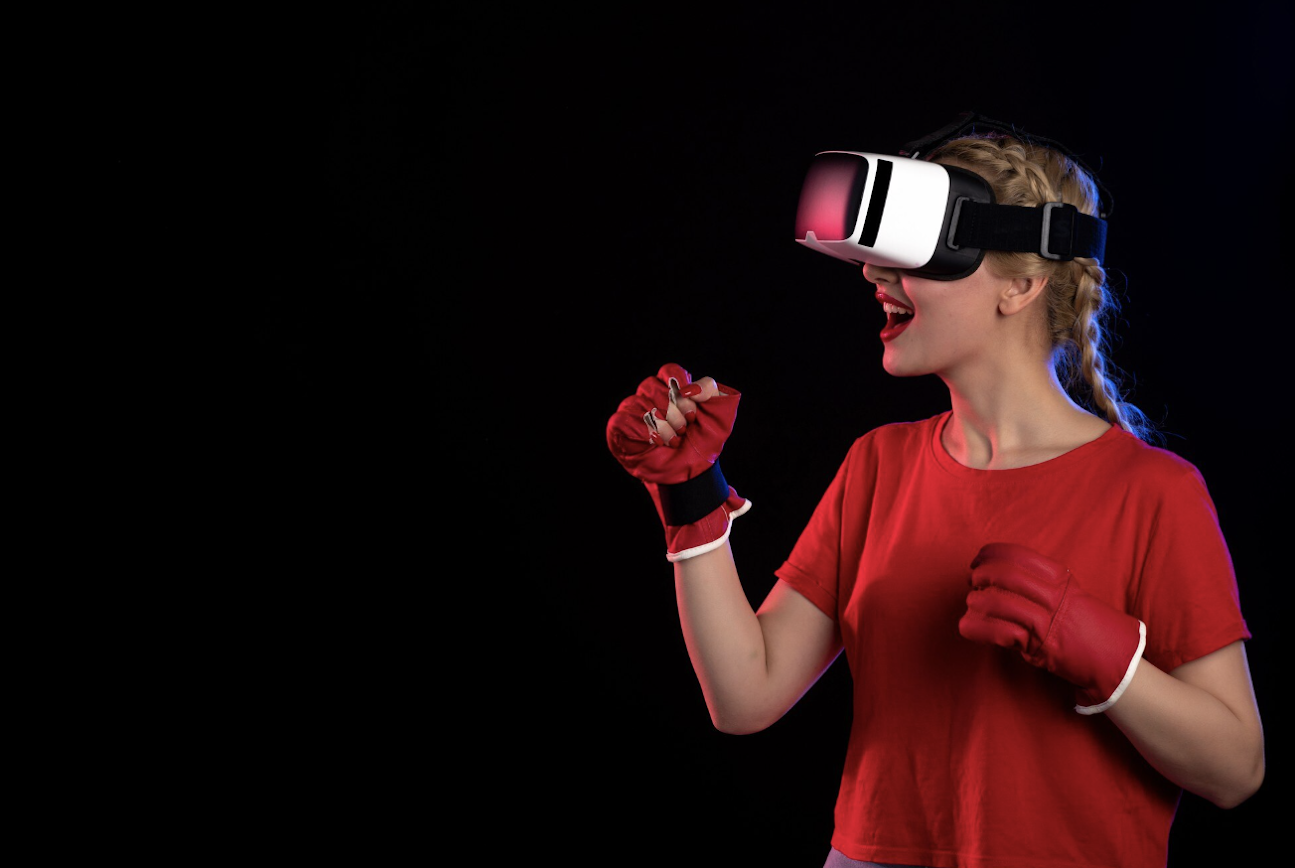
When it comes to where entertainment is heading, it is impossible to simply write off eSports. This industry has been shaped by the internet since its inception, making it a true testing ground for technologies that traditional sports are now trying to implement. Unlike football or tennis, esports is inherently digital – it does not have the limitations that hold traditional TV broadcasts back.
The key feature here is working with data via APIs. You are not just looking at a picture. In Dota 2 or CS2, for example, the viewer interacts with the game in real time. Want to see what item a player has collected? Hover over their inventory. Curious about how much an eSports athlete sweats? Check their APM or economic stats. This is not passive viewing, but a full interactive experience that provides far more immersion than any other sport on the planet.
Esports has changed the rules of the game for traditional sports, because with the help of computers and videogame consoles, it is possible to organize tournaments as often as every month and in some cases, even weekly. This works in favor of those people who cannot live without competitions. While in traditional sports, broadcasting rights are strictly monopolized by the official broadcaster with designated commentators, tournament operators in esports often provide so-called «clean feeds» to popular streamers, former professional players, or influencers.
While viewers can watch the World Championship final not with dry analysis from the official studio, but on their favorite blogger’s channel in an informal setting, with local jokes and close interaction in the chat. This fragments the monolithic audience into numerous cozy, loyal sub-communities, collectively generating much higher reach than the classic centralized approach.
The financial model of eSports events also demonstrates an innovative approach based on microtransactions and the economy of digital goods. The enormous prize pools of the world’s major tournaments, reaching tens of millions of dollars, are generated not only through sponsorship contracts but also through crowdfunding from fans themselves. By purchasing in-game digital items – unique skins, stickers of their favorite teams, player voice lines to use in their own matches- fans directly invest in the tournament’s prize pool.
Viewers are no longer simply content consumers; they become micro-investors in the sporting event, receiving exclusive digital goods in exchange, which have real market value and can be resold on specialized marketplaces. This closed-loop economic system creates the highest degree of audience involvement in the events taking place in virtual arenas.
The Architecture Of The Sports Media Business Of The Future
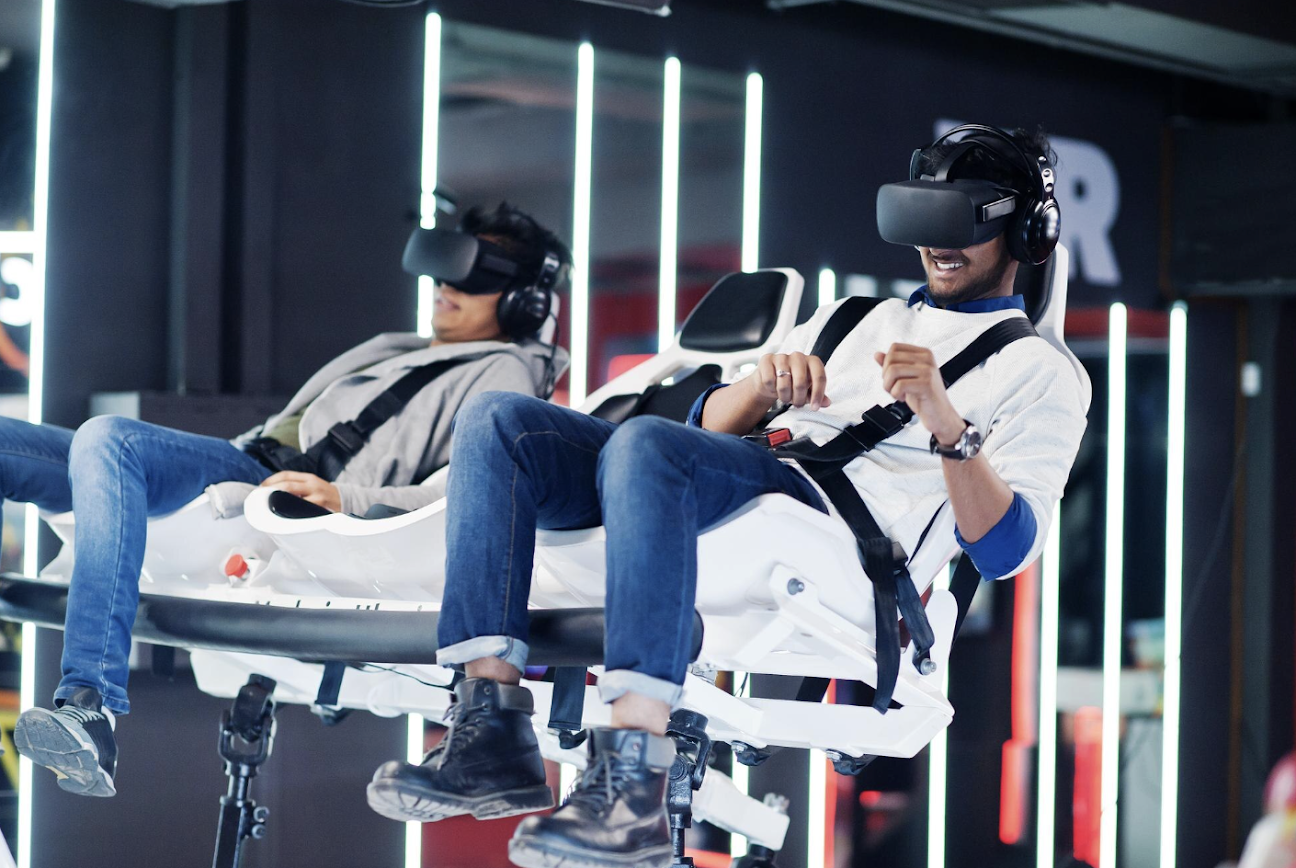
It is clear that the idea big companies have for how to make digital sports entertainment even more engaging for fans is in the work around the concept of maximum accessibility from any part of the world, the ability to interact with what people are seeing on their screens, a reactive image that directly reflects all the interactions, and the personalization of the content. These days, the industry has finally obtained all the tools needed to overcome the limitations of traditional television broadcasting:
- Poor image quality.
- High costs of monthly fees.
- Inability to restream events that have already been finished in the last day, week, or even month.
- Significant delay in what is happening right now in the event.
All of this prevents people from feeling like they are participating in what is happening on the screen. Sports shows become impressive to look at and interesting to watch when people feel like they have not wasted their time for nothing and were a part of the reason why everything ended up the way it did.
The key value of new technological solutions lies in their ability to combine massive amounts of data, ultra-low-latency streaming, and gamified mechanics into a unified user experience accessible on any standard modern device – from smartphones to Smart TVs. The leagues, clubs, and media platforms that can build seamless digital ecosystems will emerge victorious in the competition for viewer attention.
Sports content of the future is a flexible construct where each fan determines what, how, with what depth of analytics, and in what environment they want to watch. The technological foundation for this has already been created, and in the coming years, fans will witness the complete transformation of traditional sports into a high-tech digital entertainment industry.