
Folk Music Paragraph in 100, 150, 200, 250 & 300 Words
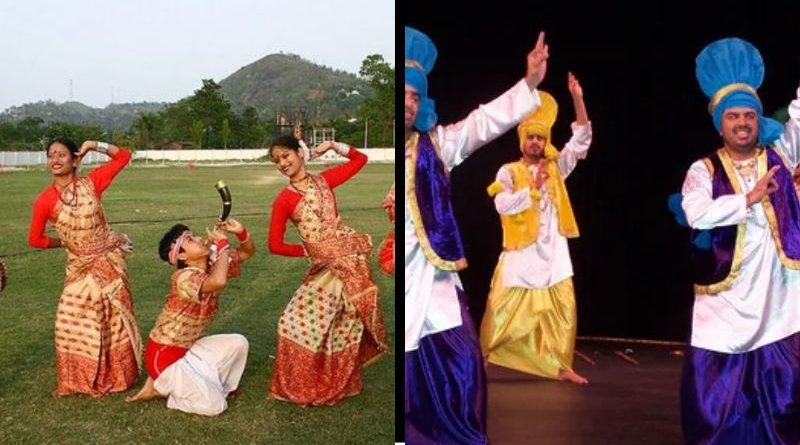
Music is one of the oldest ways through which people express their feelings, share stories, and celebrate their traditions. Every region has its own musical identity, shaped by its language, lifestyle, festivals, and history. Folk music holds a special place in this cultural heritage because it reflects the everyday lives and experiences of ordinary people. Passed down from one generation to another, these traditional songs keep local customs and stories alive. Whether you hear Bihu in Assam, Bhangra in Punjab, or Baul songs in Bengal, each style has a unique character. The following folk music paragraph examples will help you understand its meaning, importance, and cultural value in different word counts.
Folk Music Paragraph 100 Words
Folk music is a traditional form of music that represents the culture, customs, and lifestyle of ordinary people. It is usually passed down from one generation to another through singing and listening. Every region has its own style of folk music, which reflects its language, history, and traditions. In India, Bihu, Bhangra, Baul, and Lavani are popular examples of folk music. People sing these songs during festivals, weddings, harvest celebrations, and other special occasions. Traditional instruments such as dhol, dholak, flute, and ektara add rhythm to these songs. Folk music connects people with their roots and preserves cultural heritage.
Folk Music Paragraph 150 Words
Folk music is an important part of our cultural heritage. It refers to traditional songs and musical styles that represent the lives, beliefs, customs, and emotions of ordinary people. Unlike many modern musical forms, folk music is often passed down orally from one generation to another. It reflects the history, language, and lifestyle of different communities. India has a rich variety of folk music, with every state offering its own distinctive traditions. Bihu from Assam, Bhangra from Punjab, Baul from Bengal, and Lavani from Maharashtra are some well-known examples. These songs are performed during festivals, weddings, religious ceremonies, and seasonal celebrations. Instruments such as the dhol, dholak, ektara, and bansuri make folk performances more expressive. Folk music also tells stories about love, nature, happiness, hardship, and everyday experiences. It brings communities together and helps younger generations understand their cultural roots. Therefore, preserving folk music is essential for protecting our traditions and passing them on to future generations.
Folk Music Paragraph 200 Words
Folk music is a traditional form of music that reflects the culture, history, and everyday experiences of ordinary people. It is closely connected with the customs, beliefs, languages, and lifestyles of different communities. Traditionally, folk songs were learned by listening to older family members and community singers rather than reading written musical notes. This practice helped musical traditions survive for generations.
India has a diverse collection of folk music because every region has its own language, customs, and cultural identity. Bihu songs are popular in Assam, while Bhangra represents the energetic musical traditions of Punjab. Bengal is known for its soulful Baul music, and Maharashtra has the lively Lavani tradition. Rajasthan also has a rich musical heritage, with songs that describe local history, love, nature, and daily life.
Folk music is commonly performed during weddings, religious ceremonies, harvest festivals, and community gatherings. Traditional instruments such as dhol, dholak, ektara, sarangi, and bansuri give these songs their distinctive sounds. Besides providing entertainment, folk music preserves regional languages, shares historical stories, and strengthens social bonds. Although modern music has influenced traditional performances, many artists continue to protect their original styles. Folk music reminds you of your cultural roots and teaches you to respect the traditions of different communities. It is a valuable heritage that deserves recognition and preservation.
Folk Music Paragraph 250 Words
Folk music is a traditional musical form that represents the culture, history, emotions, and lifestyle of ordinary people. It develops within communities and reflects their customs, beliefs, languages, and everyday experiences. Unlike music that is created mainly for commercial entertainment, traditional folk music is closely connected with social activities, festivals, religious occasions, and seasonal celebrations. It is often passed from one generation to another through oral traditions.
India is home to numerous folk music traditions, each having its own identity and musical style. Bihu songs from Assam are associated with seasonal celebrations and agricultural life. Punjab is famous for Bhangra music, which is particularly popular during harvest festivities. Bengal has the spiritual and philosophical Baul tradition, while Maharashtra is known for Lavani. Rajasthan also has a remarkable collection of folk songs that describe love, bravery, devotion, and village life.
Traditional musical instruments play an important role in folk performances. The dhol and dholak create rhythmic beats, while the bansuri produces beautiful melodies. Instruments such as the ektara, sarangi, and manjira are also used in different regional traditions. Many folk songs are performed collectively, allowing people to participate through singing, dancing, and clapping.
Folk music is more than a source of entertainment. It preserves local stories, traditional knowledge, regional languages, and community values. It also creates a connection between older and younger generations. Today, musicians introduce folk melodies to modern audiences through recordings, films, and digital platforms. However, traditional styles must also receive attention so that their original character is not lost. By appreciating folk music, you help keep cultural traditions alive for future generations.
Folk Music Paragraph 300 Words
Folk music is one of the oldest and most meaningful forms of musical expression. It represents the traditions, customs, beliefs, and everyday experiences of ordinary people. Unlike many commercially produced songs, folk music develops within local communities and reflects their cultural identity. These songs are traditionally passed down from one generation to another through listening, singing, and performing. As a result, folk music acts as a living record of a community’s history and way of life.
India has an extraordinary variety of folk music because of its different languages, geographical regions, and cultural traditions. Every state has musical forms that reflect its unique identity. Bihu is a popular folk music tradition of Assam, especially associated with seasonal and harvest celebrations. Punjab is widely known for Bhangra, which brings energy to festivals and social gatherings. Bengal has Baul music, known for its spiritual themes and philosophical messages. Maharashtra celebrates its musical heritage through Lavani, while Rajasthan is famous for traditional songs about love, bravery, devotion, and local history.
Folk music is performed on many occasions, including weddings, religious ceremonies, village gatherings, and agricultural festivals. Traditional instruments add character to these performances. The dhol and dholak provide rhythmic beats, the bansuri creates melodious tunes, and the ektara is commonly associated with devotional singing. Other instruments, such as the sarangi and manjira, also contribute to regional musical styles.
The importance of folk music goes beyond entertainment. It preserves local languages, historical stories, customs, and traditional knowledge. It also brings people together and creates a sense of belonging among community members. Through these songs, younger generations can learn about the experiences and values of their ancestors.
In modern times, folk music has reached wider audiences through television, films, music recordings, and online platforms. Many artists combine traditional melodies with contemporary sounds. However, preserving original musical styles remains equally important. Folk music is a valuable cultural treasure that connects you with your roots and helps maintain the diversity of human traditions.
Wrapping Up
Folk music is an important part of our cultural heritage because it preserves traditional stories, regional languages, customs, and the experiences of different communities. From Bihu and Bhangra to Baul and Lavani, every musical tradition has its own identity and meaning. It also connects generations and brings people together during festivals and celebrations. Although modern music continues to change, traditional songs deserve equal appreciation and protection. Learning about folk music helps you understand the history and diversity of different cultures. These folk music paragraph examples offer a useful way to understand why this musical tradition remains valuable across generations.
Frequently Asked Questions (FAQs)
Q1. What are the main features of folk music?
Folk music is usually based on local traditions, regional languages, community stories, and everyday experiences. It is often passed down orally and performed during festivals, weddings, and cultural celebrations.
Q2. How did folk music originate?
Folk music developed within communities as people created songs to express their feelings, share stories, celebrate important events, and describe their daily lives. These songs gradually became part of local traditions.
Q3. What is the difference between folk music and classical music?
Folk music is rooted in community traditions and is often learned through listening and practice. Classical music generally follows established musical systems, formal techniques, and structured compositions.
Q4. Why should we preserve traditional folk music?
Preserving folk music helps protect regional languages, cultural identities, historical stories, and traditional knowledge. It also allows future generations to understand and appreciate their heritage.
Q5. How does folk music reflect the culture of a region?
Folk music reflects a region’s lifestyle, festivals, beliefs, occupations, language, and social customs. Its lyrics, melodies, and instruments often reveal the history and experiences of local communities.