
Best Sewing Threads for Footwear Manufacturing: Strength, Flexibility, and Durability Explained
When it comes to making shoes the thread may seem like a thing. However it plays a role. A shoe has different parts, such as the upper sole lining, tongue, eyelet area and more. All these parts need to stay. If the thread is weak the shoe can fall apart crack or lose its shape. That is why good sewing thread is so important in footwear manufacturing.
A shoe goes through a lot of use every day. People walk, run, bend, twist and drag their feet. Some shoes are worn in weather some in rainy weather and some in rough places. So the thread inside the shoe must be strong.. Being strong is not enough. It should also be able to bend and last a long time. The best sewing threads for footwear are the ones that provide strength, flexibility and durability all together.
The first thing that most manufacturers look for is strength. Strong thread helps the seams stay tight. There are areas in a shoe that are under pressure all the time, such as the side seams, toe area, lace area and sole joining points. These areas get stressed daily. If the thread cannot handle that stress the stitching may break. Then the shoe will not look good. It will not perform well either. Strong thread gives confidence that the shoe can handle wear.
However a thread that is only strong is not enough. If a thread is too stiff it may not move with the material. Footwear materials are always bending. Shoes never stay flat when worn. They move with the foot. So the thread must have flexibility. Flexible thread helps the seam stay neat when the shoe is folding and opening. It also helps reduce damage on soft materials like synthetic leather, fabric, mesh and knit uppers.
Durability is another point. Shoes are not like clothes. They face rubbing, more pulling and more contact with the outside environment. Dust, moisture, heat, friction. All these things affect shoe stitching. Durable thread can stay firm after a long time. It helps the product look good for a time. This is important for both fashion shoes and heavy-duty footwear.
There are kinds of sewing threads used in footwear manufacturing. Among the common choices polyester thread is very popular. Many manufacturers like it because it provides a balance. It is strong, smooth. Works well on many shoe materials. It also performs well in daily wear conditions. For sports shoes casual shoes, school shoes and fabric footwear polyester thread is a trusted option. Polyester embroidery thread is used for embroidery work on footwear.
Nylon thread is also used in footwear products. It is known for its strength and good stretch. This makes it useful where the seam needs to take pressure. It can work well in shoes that need stitching.. The final choice depends on the design, material and use of the shoe. What works for one style may not be best for another one.
Bonded thread is another option in footwear stitching, like bonded nylon thread. It is treated in a way that helps reduce fraying and improves sewing. This matters in fast production lines. When thread runs smoothly through the machine the stitching becomes more even. It also helps reduce breakage during sewing. This saves time. Supports better production flow in factories.
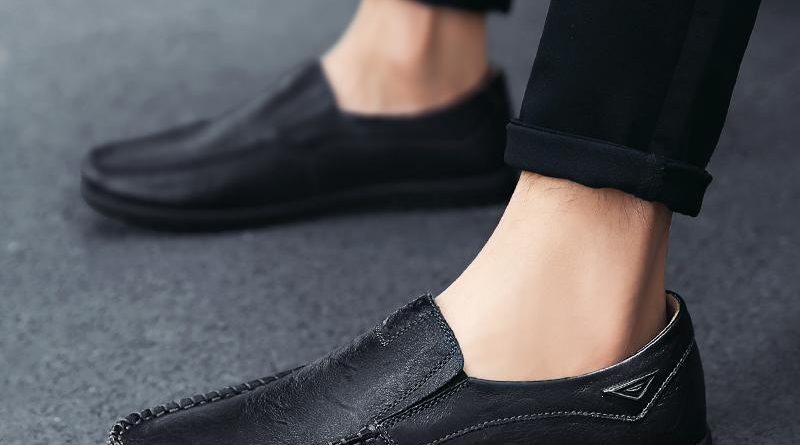
For stitching thread selection also matters a lot. In footwear stitching is not only for joining parts. It is also used for style. Many shoe designs use stitches to create patterns, contrast or a premium look. In cases the thread should be strong and clean in appearance. It should hold color well. Keep the stitch line sharp. A weak or rough thread can spoil the look of the shoe.
Thread size is also important. Thick thread and thin thread both have their use. Thick thread is often chosen when a bold seam look is needed or when more seam strength is required. Thin thread may be used for areas where neatness is important. The correct size is dependant upon the thickness of the fabric, size of the needle, type of seam and machine setting. If the thread size is wrong sewing problems may occur. The seam may look bulky, loose or uneven.
Matching the thread with the footwear material is very important. Leather, synthetic leather, canvas, mesh and knitted materials do not behave in the way. Some are soft some are hard some stretch more. Some get damaged fast with the wrong needle and thread. An ideal thread is the one that suits the material and the end use of the shoe.
Good thread also supports production quality. When the thread is reliable machine stoppage can reduce. Stitching becomes smoother. Workers can maintain speed. Rework can also go down. This helps save time and cost in manufacturing. So thread is not a stitching item. It is also a quality and efficiency factor.
For footwear brands customer satisfaction is linked with durability. People notice when shoe stitches open early. They may not know the thread type. They know when a shoe fails. Strong and flexible sewing thread helps avoid this problem. It gives life to the product and supports brand trust.
In the end the best sewing threads for footwear manufacturing are the ones that do three jobs well. They should be strong enough to hold the shoe. They should be flexible enough to move with the foot.. They should be durable enough to face daily wear again and again. Polyester, nylon and bonded threads are choices but the right one depends on the shoe style, material and use.
Footwear manufacturing needs choices in every small detail. Thread is one of them. It may look small. Its role is very big. A good shoe starts with materials and strong stitching is a big part of that. When the right sewing thread is used the shoe feels better looks and lasts longer. The best sewing threads, for footwear manufacturing are the ones that provide strength, flexibility and durability which’re essential for making good shoes.