
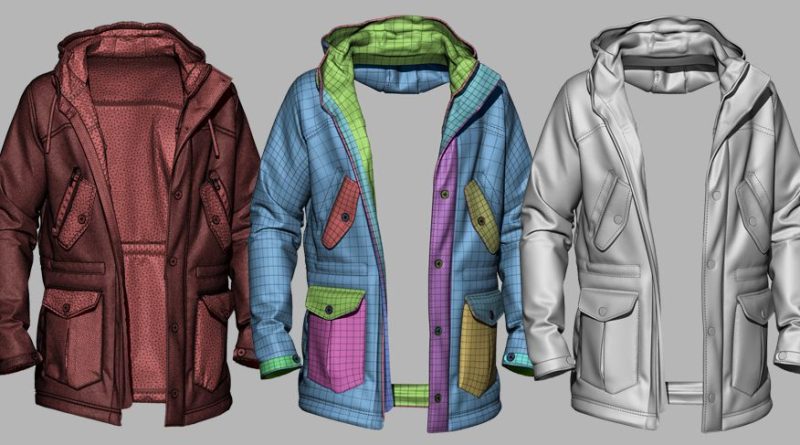
Circular Fashion and Stitching – Designing Garments for the 3 R’s
Fashion is changing. People want clothes that’re nice but they also want clothes that last longer and do not create a lot of waste. This is where circular fashion comes in. Circular fashion is an idea. It is about making clothes in a way that they can be used again repaired easily and reused in ways. When the life of the garment is over it can be recycled.
In the days many families used clothes for a long time. If a shirt got torn they would stitch it again. If a dress became small they would give it to a child. If there was fabric left they would use it to make patchwork, bags or kitchen cloth. Today many people buy clothes quickly. Throw them away quickly. Because of this textile waste is increasing a lot. Circular fashion brings us back to a way of making and using clothes.
Stitching plays a big role in circular fashion. Good stitching is not just for making clothes look pretty. It also helps the garment stay strong. A stitched garment can handle regular wear, washing, folding and even repair work later. If the seams are weak the cloth may still be good. The garment will get spoiled early. So stitching is one of the things that decides how long a garment will last. Circular fashion and stitching go hand in hand.
Designing clothes for repair is a step in circular fashion. Many clothes are thrown away only because one part gets damaged. A loose seam, broken zipper, torn pocket or damaged hem can make a useful garment look useless.. When the garment is made in a repair friendly way it becomes easier to fix. Strong seam allowance, simple stitch lines, replaceable parts and easy opening of seams can help tailors. Repair workers do their job better. This is a part of circular fashion.
The type of thread used also matters like polyester corespun thread and meta-aramid sewing thread. If the thread is too weak seams will open quickly. If it is too hard for the fabric it may damage the cloth during use. A balanced thread helps keep the seam stable and also supports repair when needed. The density of the stitches should also be right. If the stitches are too tight they can damage the fabric. If they are too loose they can break easily. Good garment making is always about balance. This is especially important in fashion.
Reuse is another part of circular fashion. A garment should not have one life. It can be used in ways. A long kurti can become a top. Old denim can become a bag. A shirt can be redesigned into a childs wear piece. This becomes easier when the original garment is stitched with care. Clean panels, wastage in cutting and simple construction make reuse more practical. This is a part of circular fashion and stitching.
Some designs are naturally better for reuse. Basic shapes, timeless styles and durable stitching make garments for a longer time. Very trendy styles may go out of fashion quickly. Simple and neat garments can be worn again and again. When the style stays relevant the garment stays in use for time. Making it more sustainable.
The process of recycling begins when a garment can not be worn any longer nor can be repaired. At that stage the material should be easier to separate and process. This is why garment design should think ahead. Many mixed materials, heavy decorations, hard fused parts and complex stitch structures can make recycling difficult. If the garment is designed in an thoughtful way the recycling process becomes easier. This is a part of circular fashion and stitching.
Stitching methods can support this goal. Using mixed components in one garment helps. Keeping trims removable is useful. Avoiding layers and heavy add ons can also make a difference. Even labels and accessories should be planned in a way that does not disturb the recycling stage much. This is all part of fashion.
For manufacturers circular fashion is not about the environment. It is also about term value. Customers now notice quality. They want garments that feel worth buying. When a brand offers stitching, better repair life and smart design it builds trust. People may buy less. They choose better. This creates a relationship between brand and buyer. Circular fashion is good for everyone.
Tailors, designers and stitching units all have a role. Designers can plan garments for life. Production teams can use stitching practices. Quality teams can check seam strength and repair possibilities. Even sales teams can educate customers on how to care for garments and use them longer. Circular fashion is not one step. It is a mindset. Everyone should be involved in fashion.
Small changes can bring results. Use stitching in stress areas. Keep hems and seams repair friendly. Design with waste. Choose parts that can be replaced. Create garments that can be altered passed on and transformed. These are things but they matter a lot. Circular fashion is about making small changes.
Circular fashion is not an idea. It is practical and sensible. It respects material, labour and the life of the garment. Stitching is not a technical step in this journey. It is one of the reasons a garment can survive longer get repaired better and move from one life to another. Circular fashion and stitching are very important.
The future of fashion will not depend on how clothes look. It will depend on how they are made how long they last and how easily they can come back into use. When garments are designed for repair, reuse and recycling fashion becomes more responsible.. When stitching supports that purpose the garment becomes more than clothing. It becomes a choice for people and, for the planet. Circular fashion is the future of fashion.