
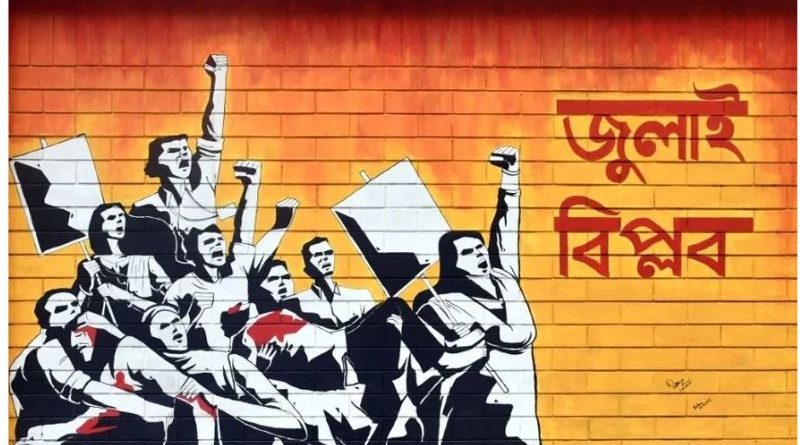
July Uprising Paragraph: 10 Lines, 100, 150 & 250 Words
The July Uprising of 2024 was a significant event in the modern history of Bangladesh. It began as a student movement against the government job quota system and gradually developed into a nationwide protest demanding justice, equality and political change. Thousands of students and ordinary citizens participated in the demonstrations. What started as a demand for fair recruitment soon became a larger movement against government policies and the handling of public protests. This July Uprising paragraph explains the causes, major events and consequences of the movement in simple English, making it useful for students preparing school assignments and examinations.
July Uprising Paragraph in 10 Lines
- The July Uprising was a student-led movement that took place in Bangladesh in 2024.
- It began as a protest against the government job quota system.
- Students demanded equal opportunities and merit-based recruitment.
- The movement gained momentum in July as students from different universities joined.
- Abu Sayed, a student of Begum Rokeya University, was killed during a protest on July 16.
- His death became a significant moment in the nationwide student movement.
- The Supreme Court ruled on July 21 that 93% of government jobs should be allocated on merit.
- The protests later expanded into a nationwide movement demanding justice and accountability.
- On August 5, 2024, Prime Minister Sheikh Hasina resigned.
- The July Uprising became an important event in Bangladesh’s modern history, showing the power of student and public participation.
July Uprising Paragraph 100 Words
The July Uprising of 2024 was a student-led protest in Bangladesh against the government job quota system. Students demanded equal opportunities and merit-based recruitment in public services. The movement began in response to the reinstatement of a 30% quota for descendants of freedom fighters. In July, protests spread across the country, and clashes with security forces resulted in many deaths and injuries. The movement later developed into a nationwide protest against government actions. On August 5, Prime Minister Sheikh Hasina resigned. The uprising became an important event in Bangladesh’s history and demonstrated the power of collective public action.
July Uprising Paragraph 150 Words
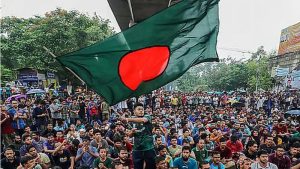
The July Uprising was a major student-led movement that took place in Bangladesh in 2024. It started with protests against the government job quota system, particularly the reservation of 30% of public service jobs for descendants of freedom fighters. Students demanded a fair recruitment system based on merit rather than family background. As the government faced growing protests, clashes between demonstrators and security forces led to deaths, injuries and arrests. The killing of student Abu Sayed on July 16 became a significant moment in the movement. Soon, people from different sections of society joined the demonstrations. Although the Supreme Court reduced the quota and directed that 93% of government jobs be allocated on merit, public protests continued. The movement eventually led to the resignation of Prime Minister Sheikh Hasina on August 5, 2024. The July Revolution became a defining moment in Bangladesh’s political history.
July Uprising Paragraph 250 Words
The July Uprising of 2024 was a historic student-led movement in Bangladesh that brought major political changes to the country. It began in June 2024 after the High Court reinstated a quota system that reserved 30% of government jobs for descendants of freedom fighters. Students opposed this decision because they believed government recruitment should be based on merit and equal opportunities. They organised demonstrations across universities and demanded reforms to the quota system. In July, the protests became more widespread as students from different educational institutions joined together. The situation became increasingly violent following clashes between protesters and law enforcement agencies. On July 16, Abu Sayed, a student of Begum Rokeya University, was shot and killed during a protest in Rangpur. His death became an important moment in the student movement. On July 21, the Supreme Court ruled that 93% of government jobs should be allocated on merit, while 5% would be reserved for freedom fighters’ descendants and 2% for other specified categories. However, the demonstrations continued as public anger grew over the deaths, arrests and treatment of protesters. The movement eventually expanded beyond the original demand for quota reform and became a nationwide uprising. On August 5, Prime Minister Sheikh Hasina resigned and left Bangladesh. Three days later, an interim government led by Muhammad Yunus took office. The July Uprising demonstrated the importance of student participation, public unity and the demand for accountability. It remains a significant chapter in Bangladesh’s modern history.
Causes of the July Uprising in Bangladesh
The July Uprising did not happen because of a single issue. Although the government job quota system was its immediate cause, growing dissatisfaction with government policies and the handling of student protests also contributed to the movement.
Reinstatement of the Government Job Quota
The main reason behind the July Uprising was the reinstatement of a 30% quota in government jobs for descendants of freedom fighters who participated in the 1971 Liberation War. In 2018, the government had abolished this quota following widespread student protests.
However, in June 2024, the High Court reinstated the reservation system. This decision created dissatisfaction among university students, who believed that it limited opportunities for candidates competing through merit-based examinations.
Demand for Merit-Based Recruitment
Students wanted a fair recruitment system in which candidates could secure government jobs according to their qualifications and examination results. They argued that public employment opportunities should be available equally to all eligible applicants.
The Anti-Discrimination Student Movement organised demonstrations and demanded changes to the quota system. Its main objective was to establish a recruitment system based on merit while retaining reasonable provisions for disadvantaged groups.
Student Anger and Government Response
The situation became more serious when clashes broke out between protesters, members of the ruling party’s student wing and security forces. Several students were killed or injured during the demonstrations. The death of Abu Sayed on July 16, 2024, became a major turning point.
Internet restrictions, arrests and the use of force further increased public anger. As a result, the movement expanded beyond quota reform, with protesters demanding justice for those killed and accountability for the authorities’ actions.
Major Events of the July Uprising 2024
The July Uprising developed through several important events, beginning with student protests against the quota system and ending with a major change in Bangladesh’s government. The following timeline highlights the key developments.
- June 2024 – Beginning of the Movement: Students started protesting after the High Court reinstated the 30% government job quota for descendants of freedom fighters.
- July 1, 2024 – Nationwide Demonstrations: Students organised demonstrations, road blockades and university protests under the Anti-Discrimination Student Movement.
- July 16, 2024 – Death of Abu Sayed: Abu Sayed, a student of Begum Rokeya University, was shot and killed during a protest in Rangpur. His death became a major symbol of the movement.
- July 18–19, 2024 – Escalation of Violence: Protests intensified across Bangladesh. Clashes, casualties, arrests and restrictions on internet services affected the country.
- July 21, 2024 – Supreme Court Decision: The Supreme Court ruled that 93% of government jobs should be allocated through merit, with the remaining 7% reserved for specified categories.
- August 5, 2024 – Resignation of Sheikh Hasina: After weeks of demonstrations, Prime Minister Sheikh Hasina resigned and left Bangladesh.
- August 8, 2024 – Interim Government Formation: Muhammad Yunus took office as the head of Bangladesh’s interim government.
These events explain how a movement for quota reform became a nationwide uprising that brought a major political change in Bangladesh.
Significance of the July Uprising
The July Uprising holds an important place in Bangladesh’s modern history. Although it started with a demand for changes to the government job quota system, it eventually became a broader movement for justice, accountability and political reform.
Role of Students and Young People
University students played a central role in organising demonstrations and bringing attention to the quota issue. Their participation showed how young people could organise collectively to raise concerns about public policies and equal employment opportunities.
Public Participation in the Movement
The movement gradually received support from people belonging to different professions and social backgrounds. Ordinary citizens, workers and other groups joined the protests. This wider participation helped turn a student-led campaign into a nationwide uprising.
Demand for Justice and Accountability
The deaths, injuries and arrests during the demonstrations became major concerns for protesters. People demanded investigations into the violence and accountability for those responsible. These demands eventually became an important part of the movement.
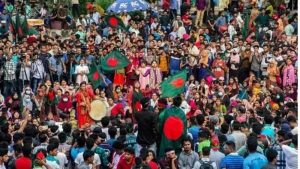
The resignation of Sheikh Hasina on August 5, 2024, marked a major political change. The formation of an interim government under Muhammad Yunus on August 8 opened a new chapter in the country’s political development. The July Uprising also brought international attention to questions of human rights, democratic participation and freedom of expression.
Conclusion
The July Uprising of 2024 was a turning point in Bangladesh’s history. What began as a student protest demanding fair government job recruitment eventually became a nationwide movement for justice and political change. The participation of students and ordinary citizens played an important role in bringing this change. The July Uprising paragraph highlights the courage, determination and collective efforts of people who raised their voices for equal rights and accountability. The movement remains an important part of Bangladesh’s modern history.
Frequently Asked Questions (FAQs)
Q1. What was the July Uprising in Bangladesh?
The July Uprising was a student-led movement in Bangladesh in 2024 that initially opposed the government job quota system. It later developed into a nationwide protest demanding justice and political change.
Q2. When did the July Uprising take place?
The movement began in June 2024, gained momentum throughout July and led to a major political change on August 5, 2024, when Sheikh Hasina resigned.
Q3. Why did students start the July Uprising?
Students started the movement against the reinstatement of a 30% government job quota for descendants of freedom fighters. They demanded fair recruitment based on merit.
Q4. Who led the July Uprising in Bangladesh?
The Anti-Discrimination Student Movement played a central role in organising the protests. Several student coordinators helped lead demonstrations across the country.
Q5. What was the final outcome of the July Uprising?
The uprising resulted in the resignation of Prime Minister Sheikh Hasina on August 5, 2024. An interim government led by Muhammad Yunus took office on August 8, 2024.